



バイメタル サーモスタット サーキット ブレーカーはどのように機能し、適切なブレーカーを選択するにはどうすればよいですか?

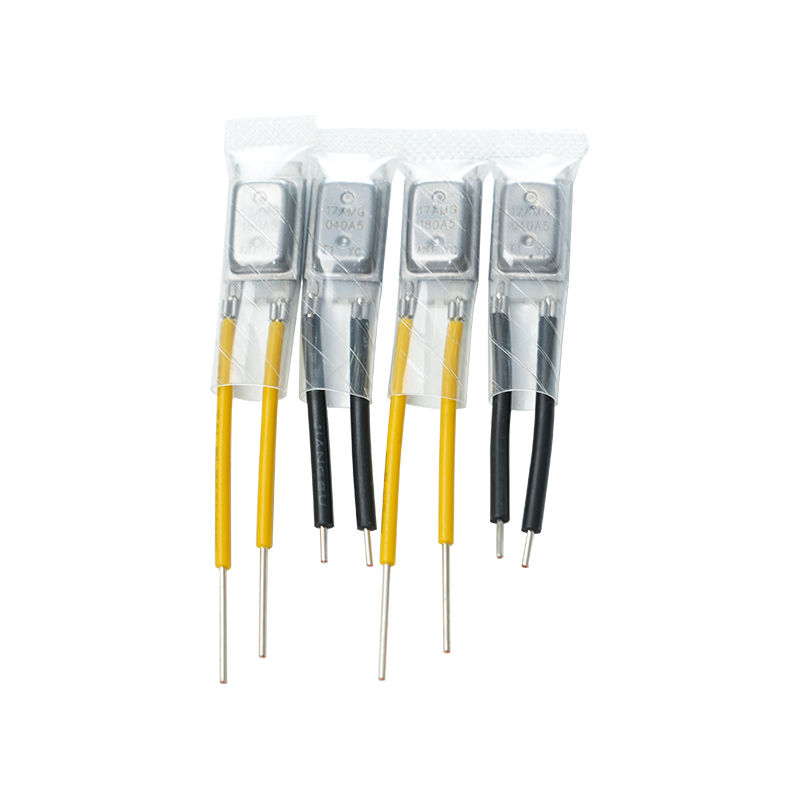
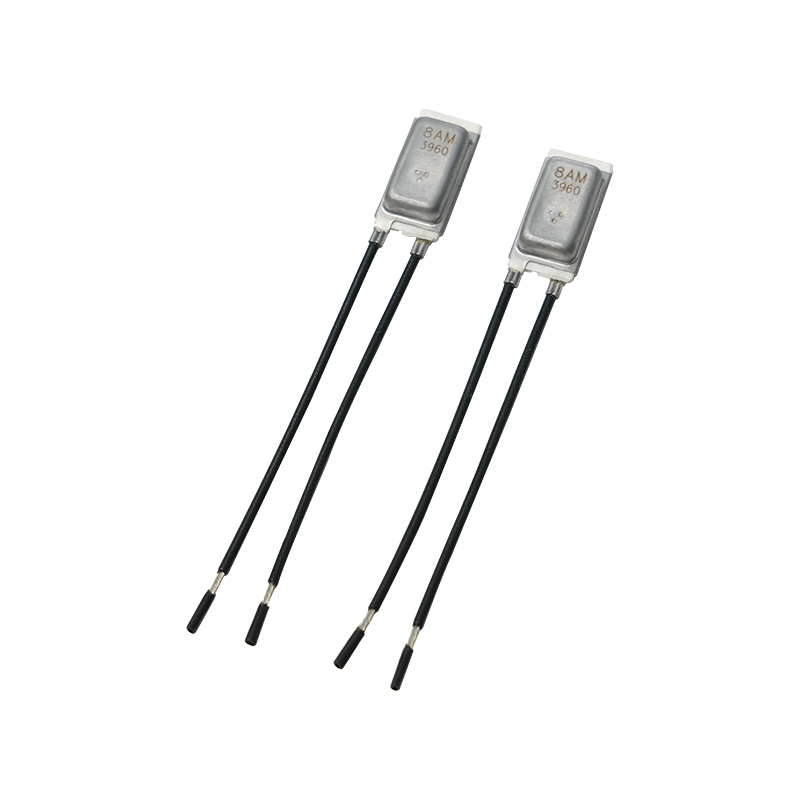
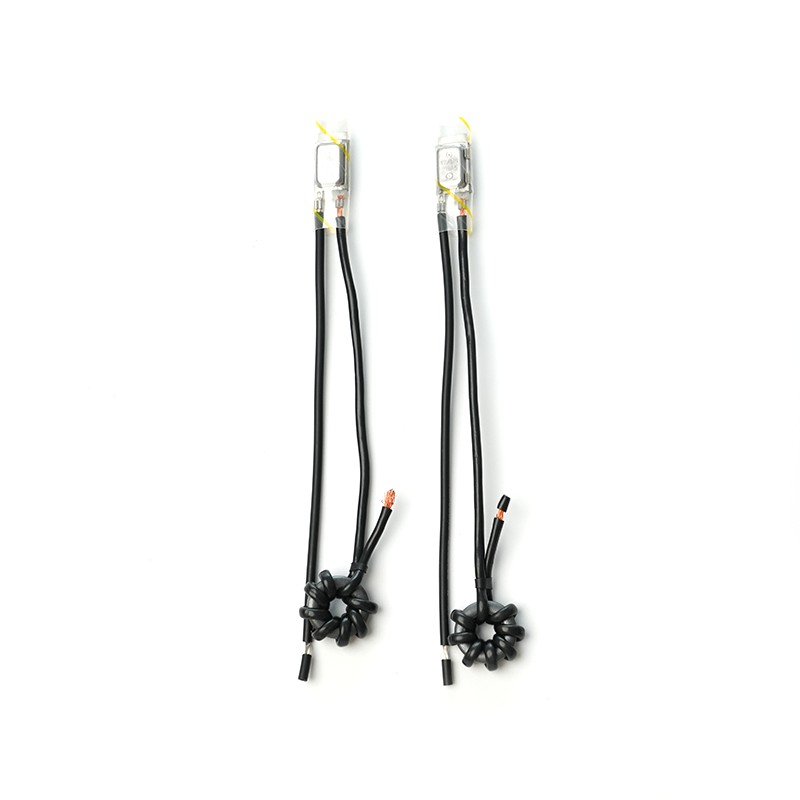
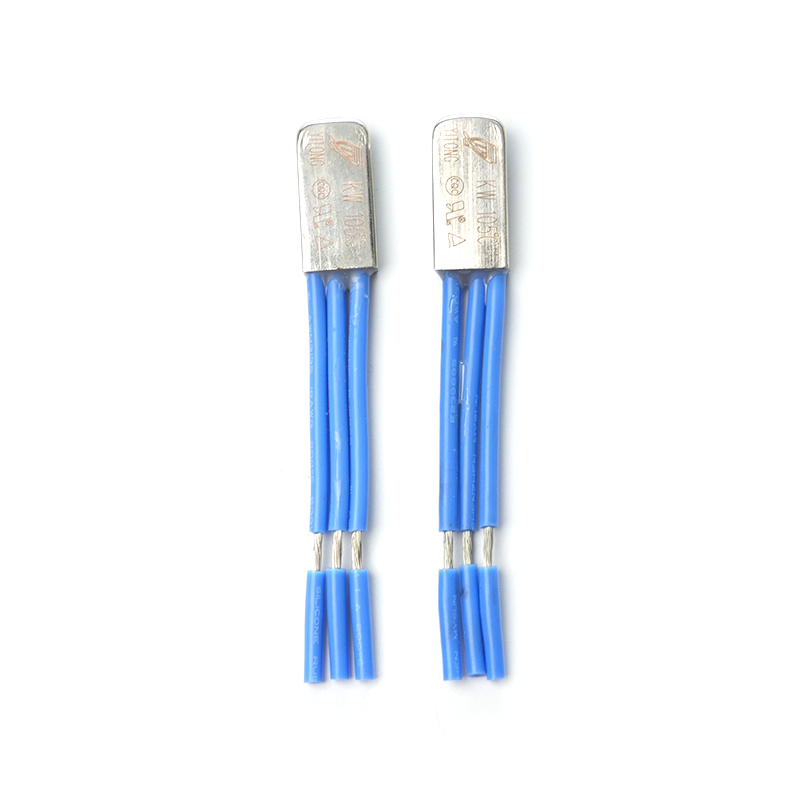
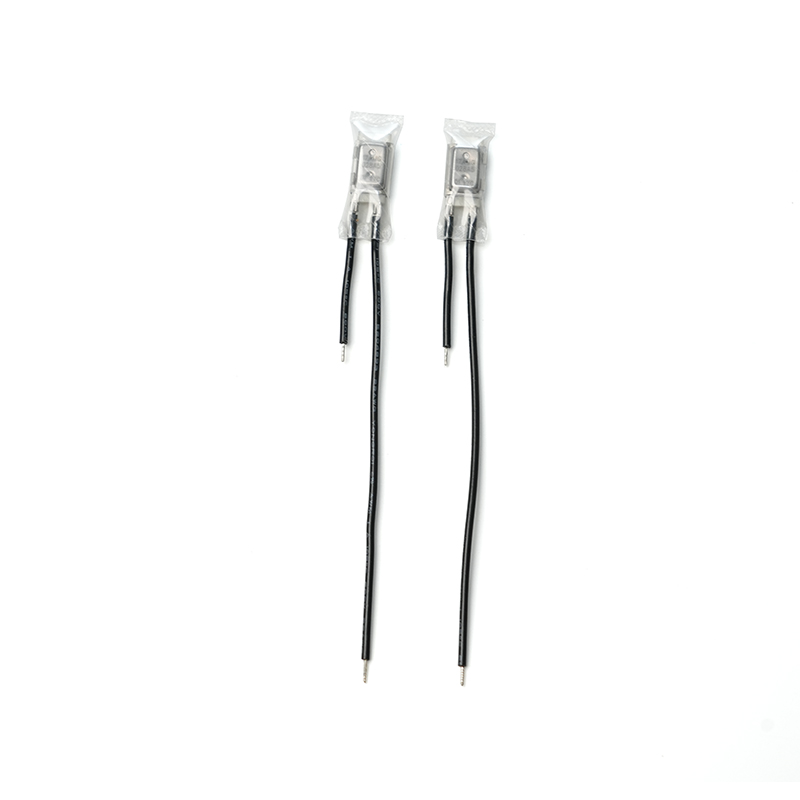
の バイメタルサーモスタットサーキットブレーカー は、電気工学において最もエレガントでシンプルで実用的に信頼性の高い過電流保護デバイスの 1 つです。バイメタル素子の温度感知機能とメカニカルスイッチの回路遮断機能を単一のコンパクトなコンポーネントに組み合わせることで、持続的な過電流状態、つまり瞬間的な短絡故障ではなく徐々に熱が蓄積することでモーター、配線、電気製品に損傷を与えるタイプの過負荷に対する自動的な保護を提供します。このデバイスがどのように動作するか、さまざまなタイプや定格を相互に区別するもの、特定のアプリケーションに正しい仕様を適合させる方法を正確に理解することは、産業用、商業用、民生用の幅広い機器にわたってこれらのデバイスに遭遇する電気技術者、製品設計者、家電メーカー、およびメンテナンス専門家にとっての基礎知識です。
の Bimetallic Element: The Physics Behind the Protection
の operating principle of a bimetal thermostat circuit breaker is rooted in a straightforward but highly reliable physical phenomenon: when two metals with significantly different coefficients of thermal expansion are bonded together along their length, the composite strip bends when heated because the higher-expansion metal elongates more than the lower-expansion metal, forcing the bonded assembly to curve toward the lower-expansion side. This bending motion — directly proportional to the temperature rise of the strip — is the mechanism that actuates the circuit breaker's trip mechanism.
バイメタル サーモスタット回路ブレーカーでは、バイメタル ストリップが通電導体と温度センサーとして同時に機能します。電流がストリップに流れると、金属の電気抵抗によって熱が発生します。これはジュールの法則 (P = I²R) で説明される現象です。通常の動作電流下では、発生する熱は大幅な曲がりを引き起こすには不十分であり、ストリップは回路接点が閉じた状態で自然な位置に留まります。モーターの過負荷、巻線の部分的短絡、導体のサイズ不足などの場合に発生するように、電流が継続的に定格値を超えると、蓄積された熱によりストリップがトリップ位置に向かって徐々に曲がります。たわみが機構に設計された点に達すると、ストリップは回路を開くスナップアクション接点機構を作動させ、電流の流れを遮断し、接続された機器を熱損傷から保護します。

の thermal mass of the bimetallic element — its ability to absorb heat before reaching the trip temperature — is deliberately designed to give the device an inverse time-current characteristic: at moderate overloads (for example, 125% of rated current), the device takes minutes to trip, allowing brief overloads such as motor starting inrush to pass without nuisance tripping; at severe overloads (200% or more of rated current), the device trips in seconds, providing more urgent protection proportional to the severity of the overload. This inverse time behavior is the defining characteristic of thermal overload protection and is what distinguishes bimetal thermostat circuit breakers from purely instantaneous magnetic circuit breakers that trip only on high-magnitude short-circuit faults.
バイメタルサーモスタット遮断器の構造
バイメタル サーモスタット サーキット ブレーカーは、サイズ、電流定格、および接点構成が大幅に異なりますが、主要な機能コンポーネントは製品カテゴリ全体で一貫しており、それらを理解することで、デバイスがどのように動作するか、およびデバイスの耐用年数にわたってどのコンポーネントが最も摩耗や故障しやすいかが明確になります。
バイメタル ストリップ アセンブリ
の bimetallic strip is typically manufactured by roll bonding or cladding two alloy strips — the high-expansion layer commonly using a nickel-manganese or nickel-chromium alloy, and the low-expansion layer commonly using an iron-nickel alloy such as Invar (36% nickel, 64% iron, with a very low thermal expansion coefficient). The bonded composite is then formed, punched, or machined into the specific shape required for the circuit breaker's trip mechanism geometry. The strip's dimensions — thickness, width, and free length between the fixed mounting point and the contact actuation point — determine the trip temperature at a given current level. Thicker, wider strips have higher thermal mass and trip more slowly at a given overload; longer strips produce greater deflection per degree of temperature rise, potentially allowing more precise trip point calibration.
連絡システム
の electrical contacts that open when the bimetallic strip trips must withstand repeated make-and-break operations under load without excessive contact erosion, welding, or increased contact resistance that would cause nuisance tripping or failure to interrupt. For bimetal thermostat circuit breakers in low to medium current applications (up to approximately 30 amperes), silver alloy contacts — most commonly silver cadmium oxide or the more environmentally preferred silver tin oxide — provide the combination of low contact resistance, arc erosion resistance, and resistance to contact welding that sustained service life requires. The contact geometry — typically a moving contact arm spring-loaded against a fixed contact — creates a wiping action during opening that clears oxidation films and maintains consistent contact resistance over thousands of operation cycles.
リセット機構
バイメタル サーモスタット回路ブレーカーが作動した後、バイメタル ストリップが十分に冷えてたわみのない位置に戻るまで、回路は開いたままになり、デバイスのリセット タイプに応じて、自動的または手動介入によって接点が再度閉じることができます。手動リセット装置では、ストリップが冷えた後にオペレータがリセット ボタンを物理的に押すか、切り替える必要があり、電源を復旧する前に過負荷の原因の調査を促す意図的な中断を提供します。自動リセット装置は、オペレータの介入なしにストリップが冷えると接点を再閉します。サーマルシャットダウン後の自動再起動が動作上望ましいモーター保護などのアプリケーションでは役立ちますが、過負荷トリップ後の装置の自動再起動が過負荷状態が続くと怪我や装置の損傷を引き起こす可能性があるアプリケーションでは潜在的に危険です。
主な仕様とその意味
特定の用途向けにバイメタル サーモスタット サーキット ブレーカーを選択するには、デバイスの電気的能力、熱特性、および用途の要件との物理的互換性をまとめて定義する一連の仕様を評価する必要があります。次の表は、最も重要なパラメータをまとめたものです。
| 仕様 | 代表的な範囲 | 何が決まるのか |
| 定格電流 (インチ) | 0.5 – 30 A (代表値) | トリップなしの最大連続電流 |
| 定格電圧(Ue) | 12~480V AC/DC | 接点が安全に遮断できる最大回路電圧 |
| トリップ電流しきい値 | インの 110% ~ 150% | 最終的にトリップを引き起こす最小過負荷レベル |
| 割り込み容量 (Icu) | 50~10,000A | デバイスが安全に遮断できる最大障害電流 |
| 周囲温度範囲 | -25℃~85℃ | 動作環境の制限。トリップ校正に影響します |
| リセットタイプ | 手動 / 自動 | トリップ後にオペレーターの介入が必要かどうか |
| ポール構成 | 1極、2極、3極 | 保護される回路導体の数 |
| 機械的寿命 | 1,000 ~ 10,000 回の操作 | 交換が必要になるまでのトリップリセットサイクル数 |
の interrupt capacity specification deserves particular attention. Bimetal thermostat circuit breakers are thermal protection devices optimized for overload conditions, not for high-magnitude short-circuit fault interruption. Their interrupt capacity — the maximum fault current at which the contacts can safely open without contact welding, explosive arcing, or device destruction — is substantially lower than that of molded case circuit breakers (MCCBs) designed for short-circuit protection. In systems with high available fault current, a bimetal thermostat circuit breaker must be installed in series with a upstream current-limiting fuse or MCCB rated for the full available fault current, so that the upstream protective device clears high-magnitude faults before the bimetal device is required to interrupt them. Failing to account for the interrupt capacity limitation of bimetal thermostat circuit breakers in high fault-current systems is a serious safety and compliance error.
周囲温度補償とその重要性
バイメタル ストリップのトリップ動作は熱によって駆動されるため、周囲温度はデバイスのトリップ特性に直接影響します。周囲温度 25°C で特定の電流レベルでトリップするように校正されたデバイスは、高温環境 (40°C 以上) ではより低い電流でトリップします。これは、追加の周囲熱によってストリップが予熱され、トリップ点に到達するために必要な追加の温度上昇が減少するためです。逆に、低温環境 (10°C 以下) では、同じデバイスがストリップとトリップしきい値の間のより大きな温度差を克服するために十分なジュール加熱を生成するために、より高い電流を必要とします。この周囲温度の感度はバイメタル サーモスタット サーキット ブレーカーの基本的な特性であり、欠陥ではありませんが、アプリケーションが経験する周囲温度の全範囲にわたってデバイスが適切な保護を提供できるように、アプリケーション エンジニアリングで考慮する必要があります。
メーカーは、バイメタル サーモスタット サーキット ブレーカのディレーティング曲線を発行し、実効トリップ電流が周囲温度によってどのように変化するかを示しています。通常、各温度での定格トリップ電流のパーセンテージとして表されます。たとえば、25°C で 10 A 定格のデバイスの有効トリップ電流は、40°C で 9.2 A、10°C で 11.1 A になります。デバイスが密閉されたエンクロージャ内に設置されるアプリケーション (他のコンポーネントからの熱により内部周囲温度が外部周囲温度を大幅に超える場合) では、外部周囲温度ではなく内部エンクロージャ温度に基づいてこのディレーティングを適用する必要があります。エンクロージャの温度上昇を無視すると、接続された機器の定格連続負荷電流を下回る電流でデバイスがトリップするという一般的なエラーが発生し、通常の動作中に迷惑なトリップが繰り返し発生します。
バイメタルサーモスタットサーキットブレーカの一般的な用途
バイメタル サーモスタット サーキット ブレーカは、非常に幅広い電気機器カテゴリに導入されており、通常は個々の回路の主な過電流保護デバイスとして、または大型のモータ制御アセンブリ内のモータ過負荷保護要素として使用されます。自己完結型動作 (保護機能に外部電源は不要)、コンパクトなサイズ、信頼性の高い熱応答の組み合わせにより、十分な保護性能とともにシンプルさ、信頼性、低コストが優先されるアプリケーションに特に適しています。
- 小型モーター保護: 家庭用電化製品、電動工具、HVAC ファン モーター、小型ポンプの分数馬力モーターは、バイメタル サーモスタット サーキット ブレーカーの最も一般的な用途です。このデバイスは、ロータが失速した状態(モータが回転せずにロックされたロータ電流(通常、定格電流の 5 ~ 8 倍)を継続的に引き込む状態)や、モータが定格を超える電流を無期限に引き込む持続的な機械的過負荷の間、モータ巻線を熱損傷から保護します。
- 家庭用電化製品および IT 機器: コンピュータ、通信機器、オーディオアンプ、家庭用電化製品の電源ユニットは、一次入力ヒューズ電流レベルを超える二次回路の過負荷から保護するために、バイメタルサーモスタット回路ブレーカー(通常、機器の背面パネルからプッシュボタンリセットとしてアクセス可能)を使用しています。これらのアプリケーションの手動リセット機能では、電力を回復する前にユーザーが過負荷状態を特定して修正する必要があります。
- 船舶および自動車の電気システム: の vibration resistance, self-resetting capability (in automatic reset variants), and compact size of bimetal thermostat circuit breakers make them widely used for branch circuit protection in marine electrical systems, recreational vehicles, and automotive accessory circuits where conventional fuses would require frequent replacement in high-cycle applications and where automatic recovery after a transient overload is operationally convenient.
- 発熱体の保護: 給湯器、スペースヒーター、工業用プロセスヒーター、実験室用オーブンの電気発熱体は、バイメタルサーモスタット回路ブレーカーを使用しており、場合によっては別個のサーモスタット温度コントローラーと組み合わせて、主温度制御が故障してヒーターが安全な動作限界を超えた場合に加熱回路を遮断するバックアップ過熱保護を提供します。
- 照明および安定器回路: 蛍光灯および HID 照明安定器、LED ドライバー アセンブリ、および変圧器給電照明回路では、ランプの故障、配線障害、または安定器出力から過剰な電流を引き出す誤ったランプの種類による持続的な過負荷に対する安定器または変圧器巻線の過負荷保護のために、バイメタル サーモスタット回路ブレーカーが使用されています。
バイメタルサーモスタットサーキットブレーカと関連機器の比較
バイメタル サーモスタット サーキット ブレーカーが他の一般的な保護装置とどのように関係しているかを理解すると、それぞれが適切な選択であることが明確になり、よくある誤用エラーを防ぐことができます。
| デバイスの種類 | 保護メカニズム | リセット可能 | 最優秀アプリケーション |
| バイメタルサーモスタットサーキットブレーカー | のrmal (inverse time-current) | はい (手動または自動) | 持続的な過負荷保護。モーターの過負荷 |
| カートリッジ/ブレードヒューズ | のrmal (fusible element melts) | いいえ(稼働後に交換) | 短絡および大きな過負荷 |
| 磁気サーキットブレーカー | 電磁式(瞬間式) | はい (手動リセット) | 短絡保護;ファストトリップアプリケーション |
| のrmal-Magnetic MCCB | 複合熱磁気 | はい (手動リセット) | 過負荷と短絡の両方。より高い電流 |
| PTC サーミスタ (リセット可能ヒューズ) | 抵抗の増加により電流が制限される | はい (冷却時に自動) | PCB レベルの保護。非常に低い電流 |
一般的な障害モードとトラブルシューティング
バイメタル サーモスタット サーキット ブレーカーの故障モードを理解することは、既存の設備のトラブルシューティングと、新しいアプリケーションに適切な耐用年数を備えたデバイスの選択の両方に役立ちます。これらのデバイスは一般に非常に信頼性が高くなりますが、誤って使用されたり、老朽化した設置では、特定の障害パターンが予測可能な規則性で出現します。
- 通常負荷時の迷惑なトリップ: の most common complaint. Usually caused by: device ambient temperature higher than the calibration temperature due to enclosure heat buildup; current rating selected too close to the actual load current without adequate margin; or device aging — after thousands of trip-reset cycles, the bimetallic strip may develop residual curvature that shifts the effective trip threshold downward. Corrective action: verify enclosure ambient temperature, confirm actual load current, and replace aged devices showing calibration drift.
- 本物の過負荷によるトリップの失敗: 以前の高故障電流遮断による接点の溶着により、バイメタル ストリップが正しく動作しているにもかかわらず接点が開かない場合、またはバイメタル ストリップが持続的な極度の過熱によって永久に変形 (硬化) し、トリップしきい値が上方にシフトした場合に発生します。いずれの場合も、デバイスは危険な方向に故障しており、指定された保護を提供できなくなっているため、直ちに交換する必要があります。
- 冷却後のリセットの失敗: リセット機構への機械的損傷、バイメタル ストリップがたわみのない位置に戻った場合でも接点の分離を妨げる接点溶接、または弾性限界を超えて永久的なトリップ位置にセットされたストリップを湾曲させた極度の過熱によるバイメタル ストリップの永久変形を示します。デバイスを交換します。リセットできない回路ブレーカーは保護を提供せず、回路を継続させません。
- 定格電流で発熱を引き起こす接触抵抗の増加: 特に頻繁な熱トリップを伴う高サイクル用途では、開口時の繰り返しアーク放電による接点の侵食が進行し、接点抵抗が増加し、通常の動作電流では接点自体が熱源になります。これにより、負荷電流とは無関係に接触加熱により迷惑なトリップが発生する自己強化加熱サイクルが発生する可能性があります。閉じた接点間の電圧降下を測定することで検出可能。接点降下がメーカーの最大仕様を超えた場合は、デバイスを交換してください。
実用的な選択チェックリスト
技術パラメータを構造化された選択プロセスにまとめることで、最も一般的な仕様エラーを防止し、選択されたバイメタル サーモスタット サーキット ブレーカーがアプリケーションの全動作範囲にわたって適切な保護を確実に提供できるようにします。
- 最大連続動作電流を確立します。 理論上の接続負荷ではなく、最大動作条件での実際の負荷電流を測定または計算します。モーター負荷は始動時に大幅に高い突入電流を消費します。選択したデバイスの時間-電流曲線が、トリップすることなくこの突入を許容し、同時にモーターのロックされたローター電流レベルでの保護を提供していることを確認してください。
- 適切なマージンを持って電流定格を選択します。 の device's rated continuous current should be at least 125% of the maximum continuous load current to prevent operation near the trip threshold under normal conditions. For motor applications, follow the applicable electrical code's motor overload protection sizing requirements, which specify the maximum allowable trip current as a percentage of motor full-load ampere rating.
- 利用可能な故障電流に対する割り込み容量を検証します。 設置場所で利用可能な最大短絡電流を計算するか、電力会社またはシステム調査から取得します。これがバイメタル サーモスタット サーキット ブレーカの定格遮断容量を超える場合は、分岐保護用のバイメタル デバイスを指定する前に、適切な遮断定格を持つ直列上流保護デバイスを用意してください。
- 周囲温度ディレーティングを適用します。 デバイスの設置場所の最悪の周囲温度 (同じ筐体内の他の発熱機器による温度上昇の影響も含む) を特定し、メーカーのディレーティング係数を適用して、実効トリップ電流がその温度で負荷に対して適切なままであることを確認します。
- アプリケーションに適したリセット タイプを選択します。 オペレータがトリップイベントを認識し、再起動前の意図的な介入が安全性またはプロセス制御にとって重要であるアプリケーションの場合は、手動リセットを選択してください。無人の自動回復が安全で運用上望ましいアプリケーションには自動リセットを選択し、サーマルシャットダウン後の接続機器の自動再起動が人員やプロセスに危険を及ぼさないことを確認してください。
の bimetal thermostat circuit breaker remains, after more than a century of development and refinement, one of the most cost-effective and reliable thermal protection solutions in electrical engineering — precisely because its protection function derives from fundamental physics rather than complex electronics, requiring no external power, no control signal, and no programming to deliver consistent, calibrated overload protection throughout its service life. Applied correctly, with specifications matched to the load characteristics, ambient environment, fault current availability, and reset requirements of the application, it provides robust protection that is difficult to surpass at its price point in the small to medium current protection segment.



-
Tel:+86-515-88498139
-
Email:[email protected]
-
Phone:+86-13913681876
-
Add: 建物C、No。888Huanhu West Second Road、Lingang New Erage、China(上海)パイロット自由貿易ゾーン
