



17AM サーマルプロテクター: 仕様、用途、選択ガイド

サーマルプロテクターは、過熱による損傷を防ぐためにモーター、変圧器、コンプレッサー、その他の電気駆動機器に取り付けられる小さいながらも重要な安全部品です。市場で入手可能な多くのサーマル プロテクター シリーズの中で、17AM は最も広く仕様化されているバイメタル ディスク サーモスタット プロテクターの 1 つであり、そのコンパクトなフォーム ファクター、信頼性の高いスイッチング動作、および広範囲の利用可能なトリップ温度で認められています。新しいモーター巻線のプロテクタを選択する機器設計者であっても、交換部品の認定を行う調達エンジニアであっても、あるいはトリップ障害のトラブルシューティングを行うメンテナンス技術者であっても、17AM サーマルプロテクタを実際に詳細に理解することは、より適切な意思決定を下し、早期の故障や不適切な保護につながる一般的なエラーを回避するのに役立ちます。
17AM サーマルプロテクターとは何ですか?またどのように機能しますか?
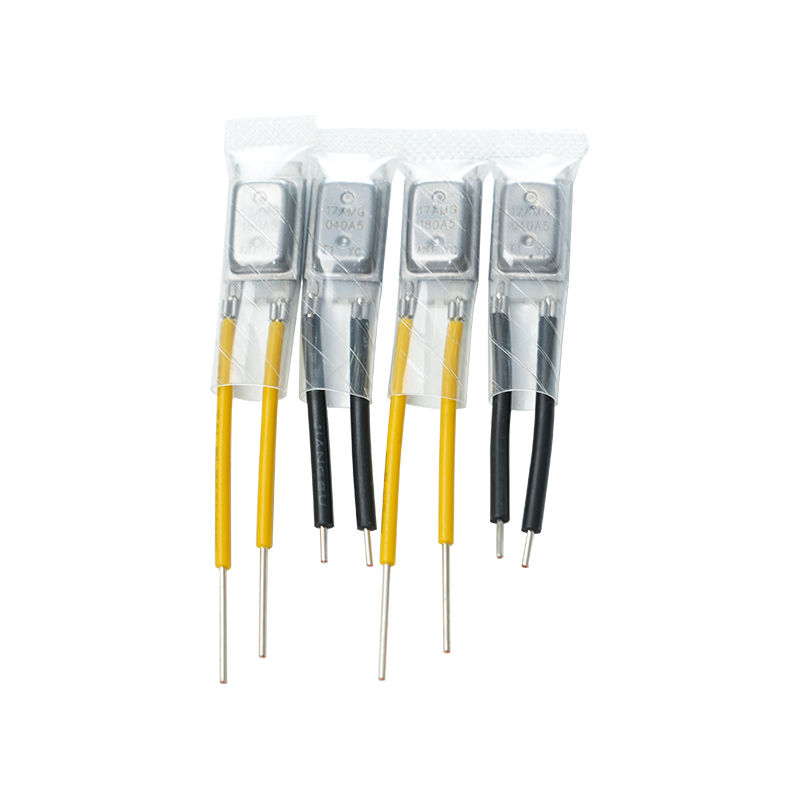
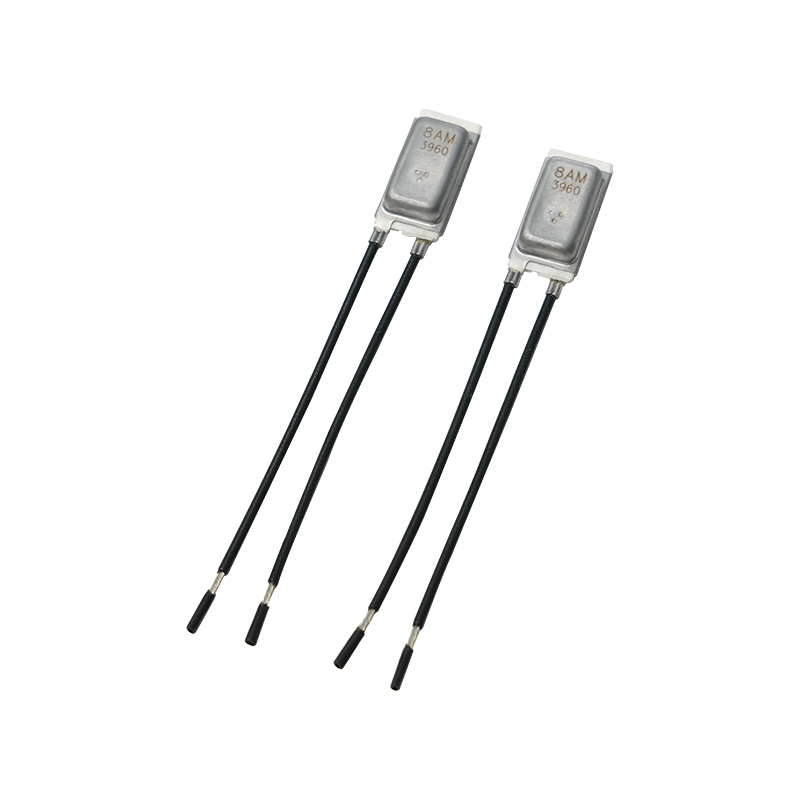
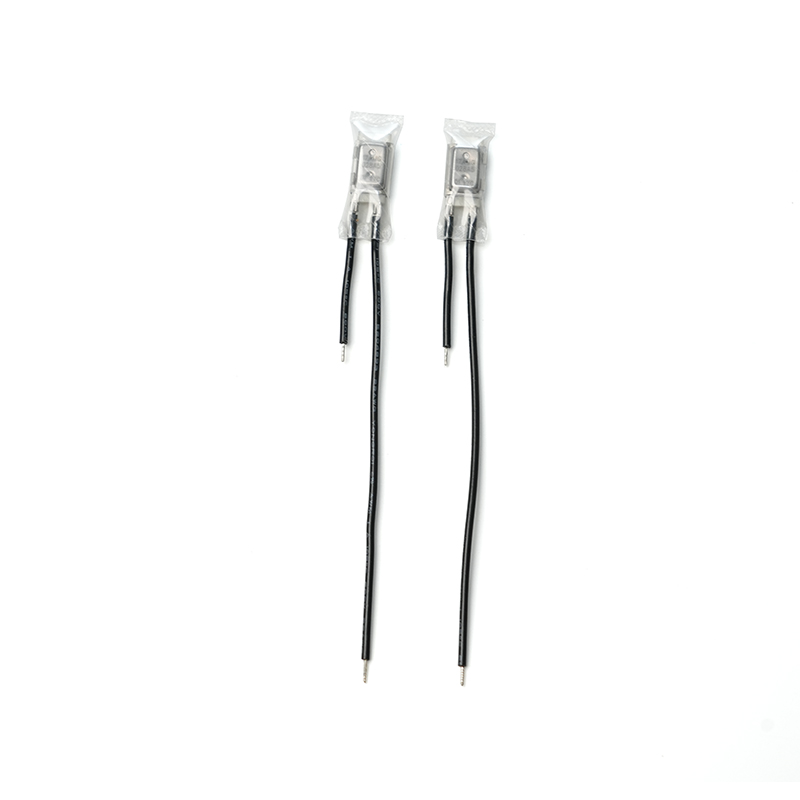
の 17AMサーマルプロテクター は、モーター巻線、変圧器コイルに直接埋め込んだり、コンポーネント表面に取り付けたりできるように設計された、コンパクトな円筒形またはフラットプロファイルの金属ケーシングに収容されたバイメタル ディスク タイプの自動リセット サーマル スイッチです。名称の「17」は、ミリメートル単位のデバイスの公称直径 (17 mm) を指します。これは、モーター巻線スロットおよび取り付け構成との物理的な互換性を決定する標準寸法です。 「AM」の指定は、メーカーの範囲内の特定の製品シリーズまたはモデル バリアントを識別し、さまざまなバリアントが異なる接点構成、リード線タイプ、温度定格、および承認証明書を提供します。
の operating principle is straightforward but mechanically elegant. Inside the protector housing, a bimetal disc — a laminate of two metals with different coefficients of thermal expansion — is pre-stressed into a domed shape at room temperature. As the surrounding temperature rises toward the rated trip temperature, differential thermal expansion between the two metal layers builds internal stress in the disc until it abruptly snaps from one stable position to the opposite (an "over-center" snap action). This snap action drives a set of electrical contacts to open, interrupting the control circuit or directly breaking the motor supply current, depending on how the protector is wired in the circuit. When the temperature falls sufficiently — typically 20–40°C below the trip temperature, depending on the specific model — the disc snaps back to its original position, closing the contacts and allowing the equipment to restart. This automatic reset behavior distinguishes bimetal disc protectors from manual reset devices and fuse-type thermal cutoffs.

主な電気的および熱的仕様
正しい 17AM サーマルプロテクターを選択するには、コンポーネントの電気定格および熱定格をアプリケーションの特定の要求に適合させる必要があります。次の仕様は、評価すべき最も重要なパラメータです。
| パラメータ | 通常午前 17 時の範囲 | 注意事項 |
| 定格電圧 | 最大AC250V | 定格が供給電圧と一致していることを確認する |
| 定格電流 | 2A – 15A (モデルによって異なります) | 最大回路電流を超える必要があります |
| トリップ温度 (T-open) | 60℃~180℃ | 巻線の絶縁クラスに合わせて選択 |
| リセット温度(T-close) | トリップ温度より 20 ~ 40°C 低い | ヒステリシスにより急速なサイクルが防止されます |
| 温度許容差 | ±5℃~±10℃ | 厳重な保護ウィンドウの許容値を検証する |
| 接点構成 | ノーマルクローズ(NC) | 過熱時に開く - 最も一般的なモーター保護構成 |
| ハウジング寸法 | 直径17mm、高さ4~8mm | 平坦なプロファイルは巻線層の間にフィットします |
| リード線の長さと種類 | 100 ~ 300 mm、PVC または PTFE 絶縁 | 高温巻線の埋め込みには PTFE が必要 |
の trip temperature is the most application-specific parameter and requires careful selection. It must be set high enough that normal operating temperature variations do not cause nuisance tripping, yet low enough to interrupt the circuit before winding insulation or other components are damaged by sustained overtemperature. The trip temperature should typically be set 10–20°C below the maximum allowable continuous temperature of the insulation class used in the motor or transformer winding.
絶縁クラスとトリップ温度の選択
モーターおよび変圧器の巻線は、IEC 60085 に基づいて最大連続動作温度に基づいて熱クラスに分類された絶縁材料を使用して製造されています。適切な用途には、午前 17 時のプロテクターのトリップ温度を適切な絶縁クラスに適合させることが重要です。以下の表は、標準的な断熱クラスと、通常指定される対応する午前 17 時のトリップ温度範囲をまとめたものです。
| 絶縁クラス | 最大。連続温度 | 典型的な午前 17 時の旅行温度 |
| クラスA | 105℃ | 90℃~95℃ |
| クラスB | 130℃ | 110℃~120℃ |
| クラスF | 155℃ | 130℃ – 140°C |
| クラスH | 180℃ | 155℃ – 165°C |
プロテクタのトリップ温度はプロテクタの物理的な位置の温度であり、巻線の理論上のホットスポット温度ではないことに注意してください。プロテクターが巻線層の間に配置される組み込み用途では、プロテクターの位置と巻線の実際の最も高温になる点との間に重大な温度差が生じる可能性があります。機器の設計者は、トリップ温度を指定する際にこの勾配を考慮する必要があり、場合によっては、取り付け位置の影響を補償するために、計算で示唆される温度よりも 5 ~ 10°C 低い定格のプロテクターを意図的に選択することがあります。
17AM サーマルプロテクターの一般的な用途
の 17AM thermal protector's combination of compact 17 mm diameter, flat profile, and broad temperature range makes it suitable for a wide range of electrical and electromechanical equipment. The most common application categories include:
- 単相誘導モーター: 洗濯機、冷蔵庫のコンプレッサー、ファン、ポンプ、電動工具などの家庭用電化製品で使用される分数馬力モーターは、通常、固定子巻線に直接 17AM プロテクターを埋め込んで、モーターが失速したり、過負荷になったり、適切な換気が失われたりした場合に自動的に熱遮断を行います。
- 変圧器と安定器: 小型電源変圧器、蛍光灯用電子安定器、および制御変圧器は、過負荷または換気の遮断によりコアまたは巻線の温度が安全限界を超えた場合に、17AM 保護装置を使用して一次回路を遮断します。
- コンプレッサーモーター: 密閉型および半密閉型冷凍コンプレッサー モーターは、冷媒やオイルの汚染により外部の熱検知の信頼性が低下する環境で動作します。固定子巻線に 17AM 保護装置を組み込むことで、外部条件に関係なく巻線温度を直接監視できます。
- ソレノイドと電磁石: 産業用制御機器の継続的に通電されたソレノイドは、継続的な使用により過熱する可能性があります。 17AM プロテクターはコイル本体に埋め込まれているか、コイル本体に取り付けられており、コイル絶縁が損傷する前に自動的にカットアウトされます。
- 発熱体と電気ヒーター: ファン強制ヒーターと工業用発熱体には、一次サーモスタットが故障したり空気の流れが遮断された場合に電源を遮断する二次安全装置として 17AM プロテクターが組み込まれており、制御不能な過熱による火災の危険を防ぎます。
- バッテリーパックと充電システム: 一部のリチウムイオンおよびニッケル水素バッテリー パックの設計には、充電または放電中のセルの過熱に対する熱保護の 1 層として 17AM または同等のバイメタル ディスク プロテクターが含まれています。
インストール方法とベストプラクティス
の thermal performance of a 17AM protector is heavily dependent on how well it is thermally coupled to the component it is protecting. A protector that is poorly installed — with an air gap between it and the winding surface, or inadequately secured so that it moves away from the heat source under vibration — will sense a lower temperature than actually exists at the winding and will fail to trip in time to prevent damage. The following installation practices are critical to reliable performance:
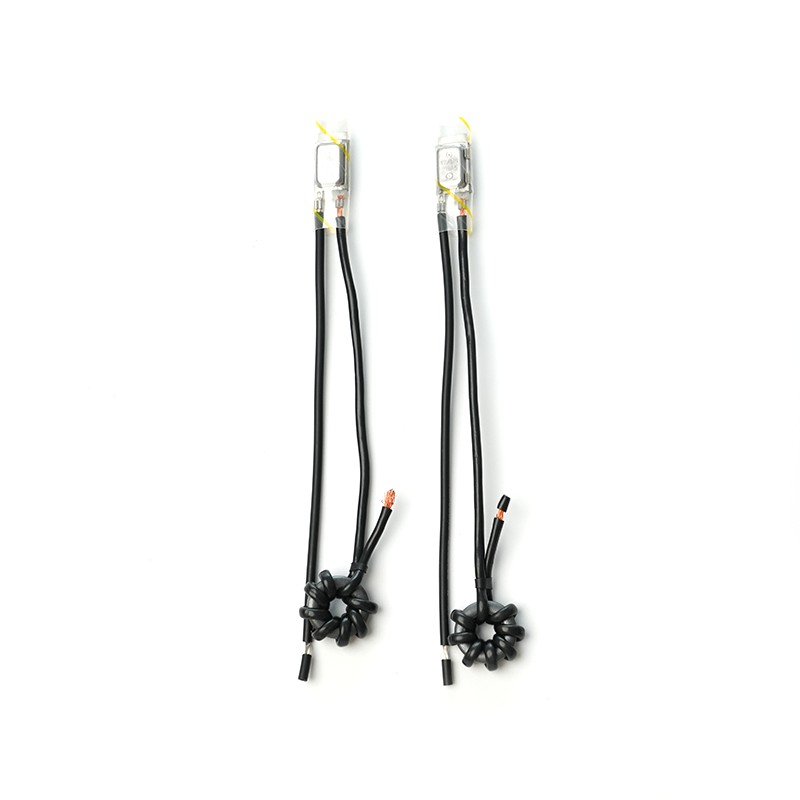
- 直巻き埋め込み: モーターおよび変圧器の用途では、ハウジングの平らな面が巻線と直接接触するように、プロテクタを最終巻線層の間に配置する必要があります。樹脂またはワニスの塗布プロセス中に位置がずれないように、含浸前に追加の巻き付けテープ層で所定の位置に保持する必要があります。
- のrmal compound for surface mounting: プロテクターを埋め込みではなくコンポーネントの表面に取り付ける場合は、プロテクター本体と取り付け表面の間に熱伝導性化合物の薄い層を塗布して、接触抵抗を最小限に抑え、正確な温度検知を確保します。
- リード線の取り回し: リード線は高温の表面や鋭利な端から遠ざけて配線してください。高温用途では、PVC ではなく PTFE 絶縁リード線を使用します。PVC は 80 ~ 90°C を超える温度が続くと軟化または亀裂が生じ、巻線に絶縁欠陥が生じる可能性があります。
- ディスクへの機械的ストレスを回避します。 取り付け中にバイメタルディスクの中心に圧力をかけないでください。これにより、ディスクの形状に予応力がかかり、校正されたトリップ温度が変化する可能性があります。プロテクタはハウジングの端を持ち、ハウジング本体の近くでリード線を曲げないようにしてください。
- 極性の独立性を確認します。 標準の 17AM プロテクターは、AC アプリケーションでは極性に依存しません。 DC 回路の場合は、極性制限が使用されている特定のモデルに適用されるかどうかをメーカーのデータシートで確認してください。
承認、認証、およびコンプライアンス
規制市場での販売を目的とした機器の場合、使用されるサーマルプロテクターは適切な安全認証を取得している必要があります。確立されたメーカーの 17AM シリーズは、通常、UL 認定 (温度表示および調整装置については UL 873 に基づく)、VDE 承認 (自動電気制御については DIN EN 60730 に基づく)、中国市場向けの CQC 認定、およびより広範な欧州市場へのアクセスのための TÜV または ENEC マークなどの認定を取得して入手できます。これらの認証は、コンポーネントが電気的安全性、温度精度、耐久性、絶縁耐力について、該当する規格に準拠して独立してテストされていることを確認します。
CE マーキング、UL リスト、またはその他の最終製品認証を取得する必要がある機器用の 17AM プロテクターを調達する場合、認証機関が要求する特定の認証を取得したコンポーネントを使用することが不可欠です。 VDE 認定のコンポーネントは、自動的に UL 認定コンポーネントとして受け入れられるわけではなく、一方を他方に置き換えると、機器の認証が無効になる可能性があります。サプライヤーの Web サイトやカタログの説明だけでなく、コンポーネントのデータシートやテスト レポートで該当する認証を常に確認し、技術ファイル用に認証文書のコピーを保管してください。
トラブルシューティング: 17AM プロテクターが繰り返しトリップする場合
稼働中の午前 17 時にサーマルプロテクターが繰り返しトリップする場合は、単に装置をリセットして動作を再開するのではなく、調査が必要な症状です。プロテクターは正しく機能しており、過熱状態を検出し、設計どおりに回路を遮断しています。根本原因を特定して修正せずにリセットと再起動を続けると、最終的には絶縁不良、ベアリングの損傷、またはその他の結果的な故障が発生し、根本的な故障よりも修理にはるかに費用がかかることになります。
の most common causes of repeated thermal protector tripping in motor applications include sustained overload — the motor is being asked to drive a load that exceeds its design rating, drawing excessive current and generating heat faster than it can be dissipated. Blocked ventilation is another frequent culprit: dust accumulation on motor cooling fins, a blocked fan guard, or installation in an enclosure without adequate airflow dramatically reduces the motor's ability to reject heat even at rated load. Single-phasing in three-phase motors — where one supply phase is lost due to a blown fuse or a faulty contactor — causes the remaining two phases to carry disproportionately high current, generating localized winding heating that the protector correctly detects.
変圧器やコイルのアプリケーションでは、トリップが繰り返されると、デューティ サイクルが当初の設計想定を超えて増加していること、つまり変圧器が長時間連続して使用されているか、回路の変更により負荷電流が増加していることを示していることがよくあります。現在の動作条件に対して元の熱設計の仮定を見直すことが正しい最初のステップであり、次に、負荷の定格を下げるか、換気を改善するか、デューティ要件が真に永続的に増加している場合は、より定格の高いコンポーネントにアップグレードするかのいずれかが続きます。



-
Tel:+86-515-88498139
-
Email:[email protected]
-
Phone:+86-13913681876
-
Add: 建物C、No。888Huanhu West Second Road、Lingang New Erage、China(上海)パイロット自由貿易ゾーン
